What a Shed Manufacturing Partner Needs: Shop, Crew, and Tools
Run a framing, carpentry, or fabrication shop? What it takes to build portable sheds, barns, and cabin shells as a manufacturing partner in Texas.
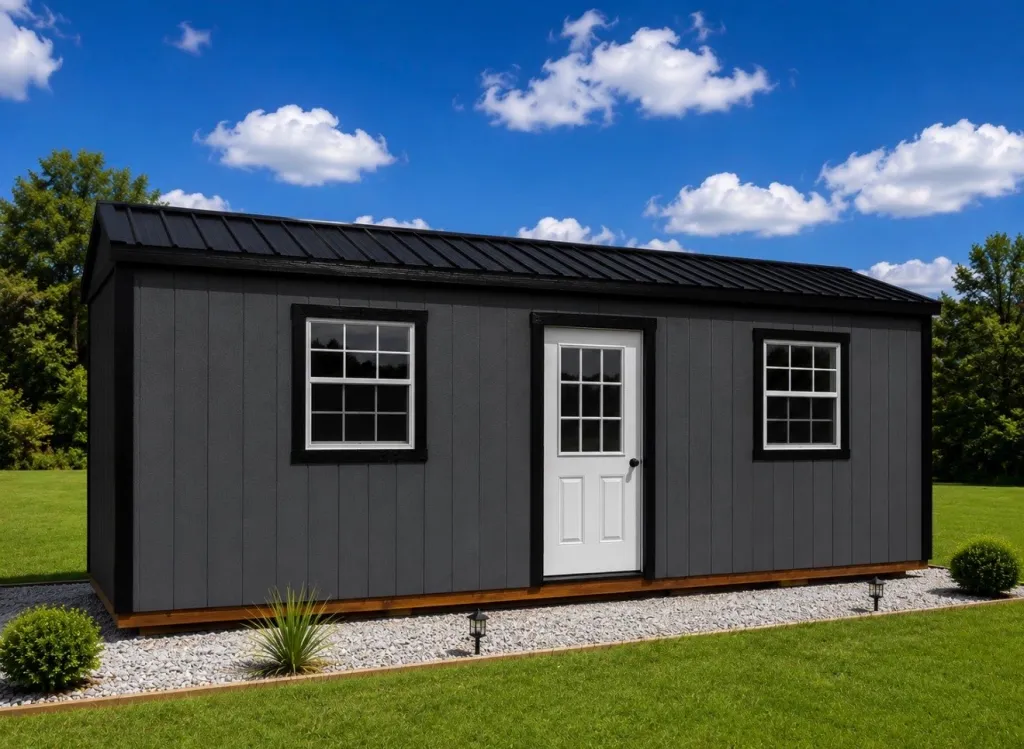
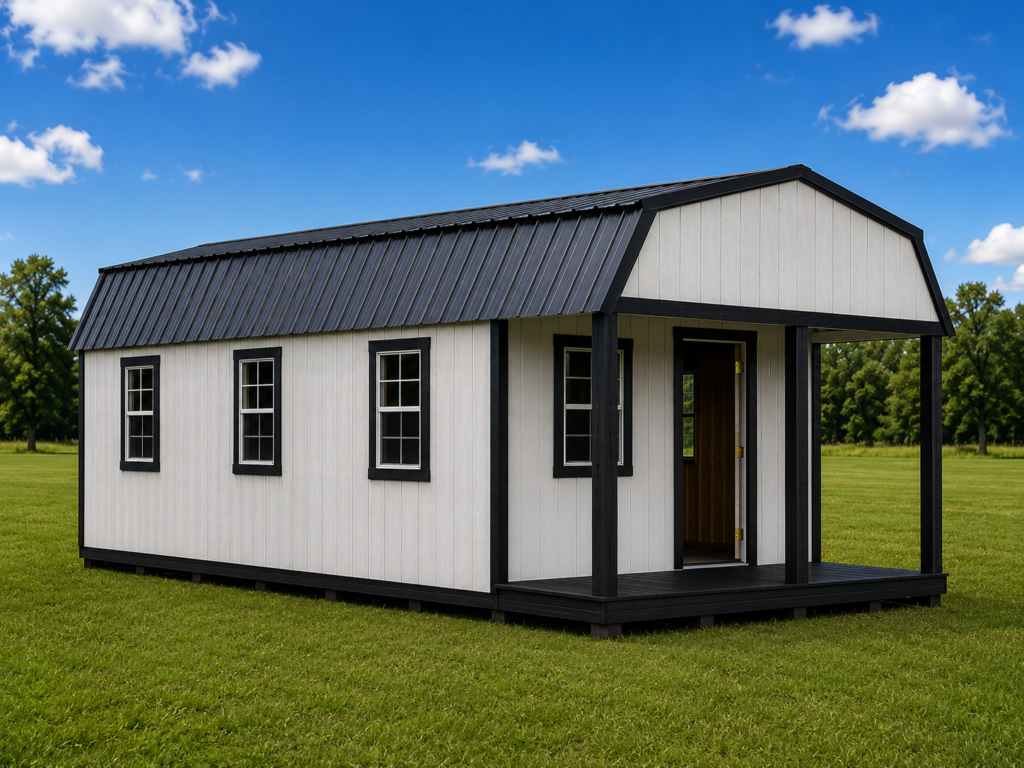
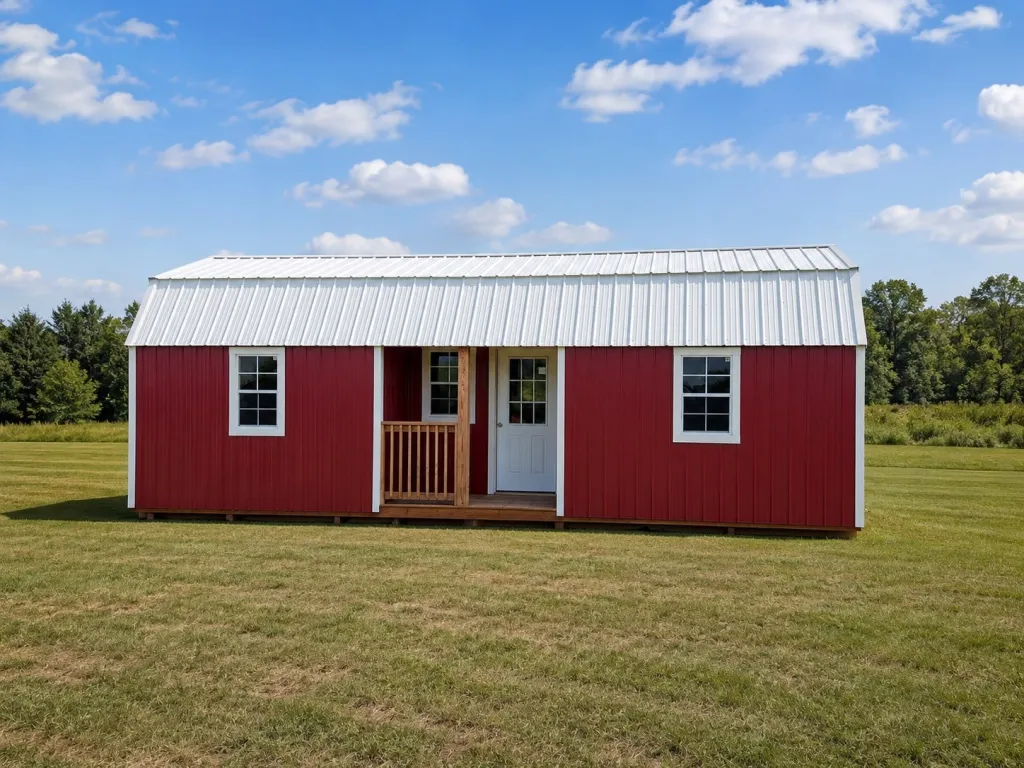
Portable buildings are built the way a lot of good work gets done in Texas: in a covered shop, by a crew that knows framing, roofing, and finish work. If you run a shed shop, a framing or carpentry business, or a metal fabrication shop, building portable sheds, lofted barns, and cabin shells may fit naturally with what you already do.
All American Structures is looking for manufacturing and assembly partners across Texas, along with dealer lots. This guide covers what a building partner typically needs.
Covered space
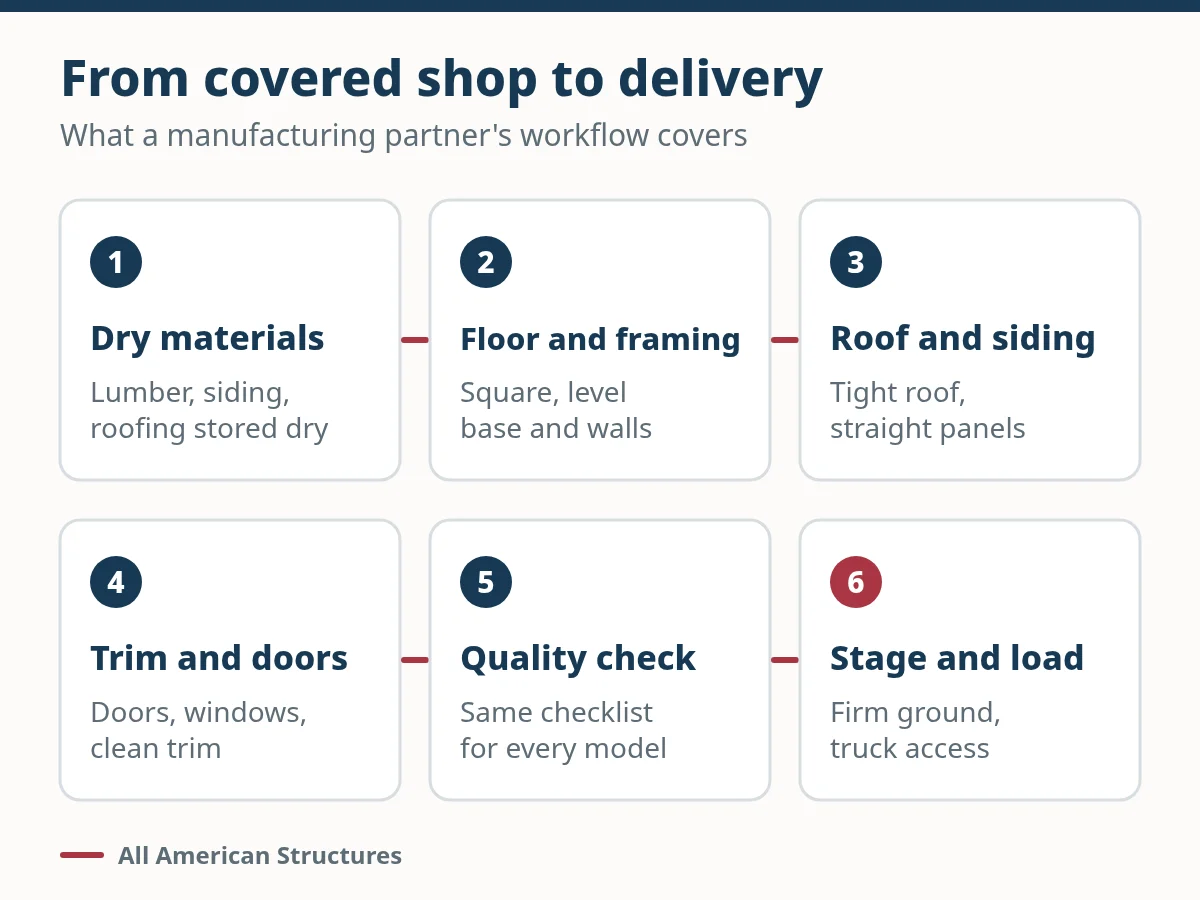
Building outdoors means fighting the weather. A covered shop or barn with room for at least one full-size building in progress, plus space for materials, keeps work moving on rainy and hot days alike. Think about:
- Floor space for the largest building you’d build, with room to walk around it
- Ceiling height for lofted barns and steeper roofs
- Wide doors or open sides to move finished buildings out
- Dry, organized storage for lumber, siding, and roofing
A crew with the right skills
The core skills are framing, roofing, siding, trim, and door and window installation. A small, steady crew that works well together usually produces more consistent buildings than a large rotating one. Experience with carpentry, cabinet work, or metal fabrication all transfers well.
Tools and equipment
Most shops that build portable buildings rely on the same basics:
- Saws for cutting framing and sheet goods
- Nail guns and compressors
- Equipment to move finished buildings around the yard
- Measuring and layout tools that keep every building square
You don’t need every tool on day one, but you do need a reliable way to build consistently and to move finished buildings to where they’ll be picked up or delivered.
Quality and consistency
Customers judge a building on the details: square doors, straight trim, a tight roof, and clean finish work. A manufacturing partner who builds the same model the same way every time makes it easier for dealers to sell with confidence. Simple checklists for each model help a lot.
Space to stage and load
Finished buildings need a place to wait for delivery, with truck and trailer access to load them. Firm, well-drained ground and enough room to turn a truck around matter as much as the shop itself.
Safety and local rules
Shop work comes with real hazards, so good dust collection, hearing and eye protection, and safe equipment handling are part of running a professional operation. Commercial building, zoning, and business rules vary by city and county, so check with your local planning or development office about your property.
Starting the conversation
Every shop is different, so we talk through how a partnership could work, including terms and timing, directly with each partner. Sending an inquiry doesn’t commit you to anything. Not sure which role fits? Compare dealer lots and manufacturing partners. If you also have road frontage, read what a display lot needs.
Talk to us about a partnership
If you run a shop anywhere in Texas, tell us about it on our manufacturing partners page. The inquiry takes a few minutes, and sending it doesn’t commit you to anything. Prefer to talk first? Call our main line at 903-851-3000 or send us a message.